THE EFFECT
Same place, slightly better
A 2001 meta-analysis of 93 effect sizes from 75 studies found changing the surroundings between learning and testing reliably affects memory, with an average effect of d = 0.28.
When it grows studydoodle
WHAT THE MEMORY RESEARCH SAYS
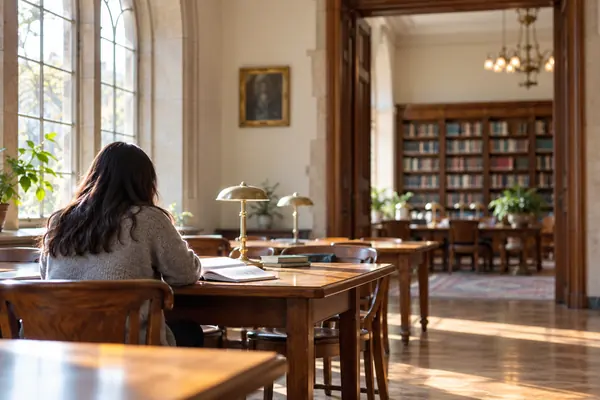
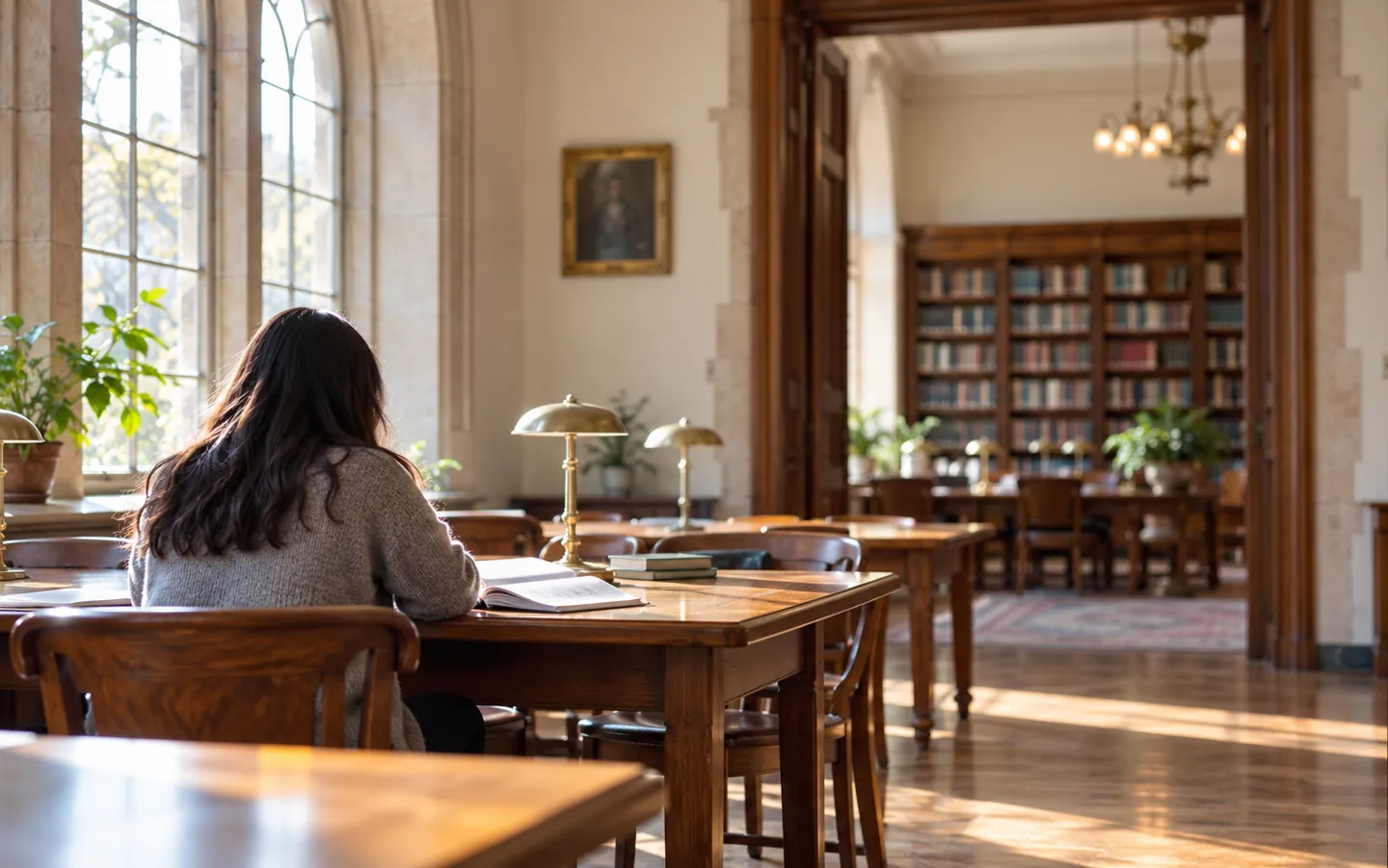
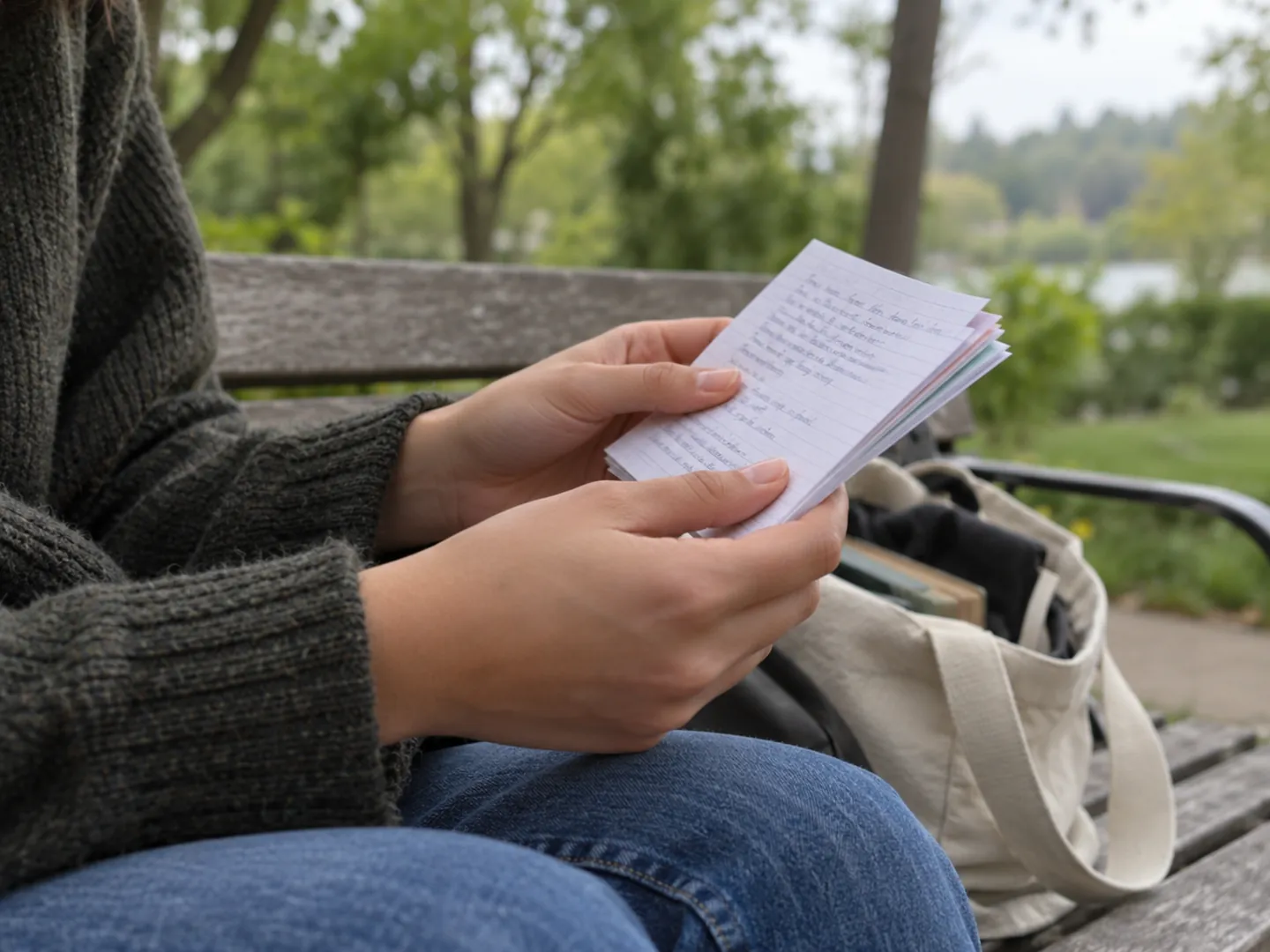
The place you learn leaves a faint mark on the memory.
d ≈ 0.28 the average place effect
0.28 d Average effect of changing the setting
Psychologists call it environmental context-dependent memory: recall can be a little better back in the place where you learned. Decades of studies show the effect is real but usually modest, and that it shrinks when your attention is on the material rather than the room.
THE SHORT ANSWER
Context cues help memory most
when little else is there to cue it.
THE EFFECT
A 2001 meta-analysis of 93 effect sizes from 75 studies found changing the surroundings between learning and testing reliably affects memory, with an average effect of d = 0.28.
When it growsTHE FAMOUS STUDY
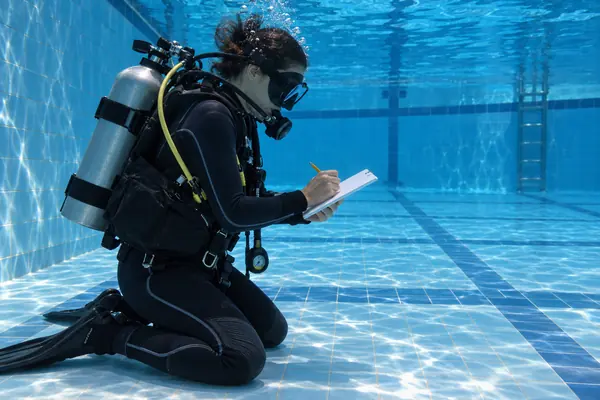
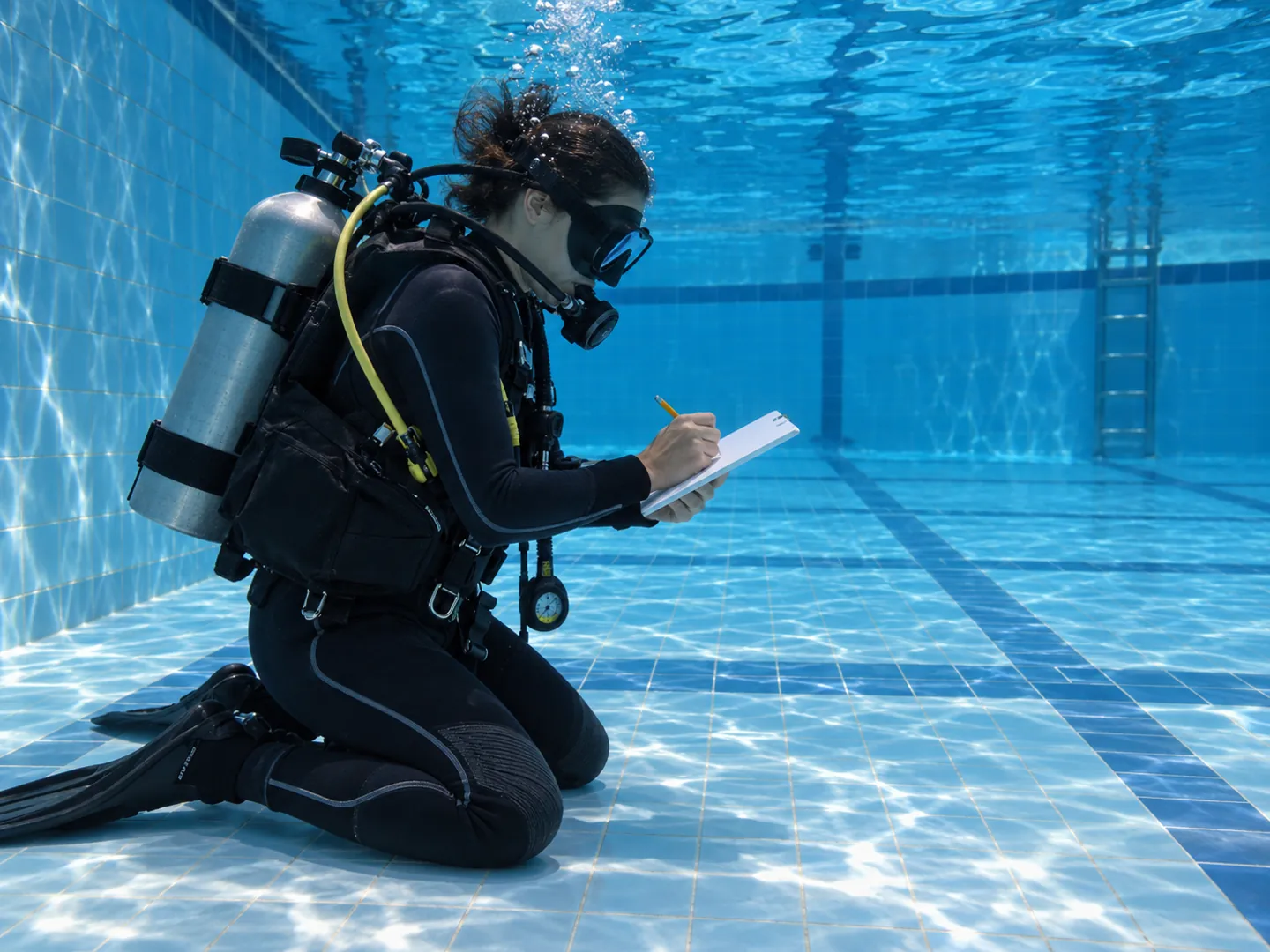
In 1975, divers recalled words best in the place they learned them, on land or underwater. A 2021 replication with 16 divers did not find that same-place advantage.
See the numbersTHE TWIST
In a 2014 study, practising recall against a different background each time led to better final recall than one constant background, but only with retrieval practice, not restudy.
What followsWHEN DOES PLACE MATTER?
Pick a situation to see the average effect size the meta-analysis found. The bar shows how much the setting mattered.
Effect sizes (Cohen's d) from Smith and Vela (2001), Psychonomic Bulletin & Review.
WHAT THE FINDINGS SUGGEST
The research points to a few ways of learning so that recall depends less on one particular room.
The average place effect is modest, and it was missing altogether in the 2021 diver replication.
Mental reinstatement instructions improved memory in the studies reviewed, almost matching a real return.
Retrieval practice against changing backgrounds gave better final recall than one constant background.
Linking items to each other while learning made memory less dependent on the surroundings.
TWO NUMBERS WORTH KNOWING
One figure from 75 studies,
one from a pool in Amsterdam.
0.28 d
Average effect of changing the setting
Across 93 effect sizes from 41 articles, recall was reliably better in the original setting, but the effects varied a lot. Encoding and test conditions that pull attention away from the room made the effect smaller.
META-ANALYSIS · 2001
16 divers
Divers in a repeat of the 1975 experiment
They heard 36-word lists on land or underwater in a 180 cm deep pool, and recalled them 4 minutes later. Recall was no better in the same place than in the other one.
REPLICATION · 2021
The replication's author calculated the original 1975 effect as extremely large (d of at least 2.7). He discusses differences between the two studies, such as open water versus a pool, and stresses the value of repeating classic experiments.
THE VIDEO-BACKGROUND STUDIES
Later lab studies used videos of places as backgrounds, which produce stronger context effects than older room-change methods. A new, never-seen video of the original study place still helped recall, though less than the original video.
Videos of conceptually similar places, such as two different ball games, also cued recall, but less well when the first scene had been given a specific label that did not fit the second.
Questions
The finding that recall can be better when you are tested in the same surroundings where you learned. A meta-analysis of 75 studies found the effect is reliable but usually modest.
Not in the one published attempt. A 2021 replication with 16 divers in a swimming pool found no advantage for recalling in the same place as learning.
The research does not require it. The average place effect is small, and imagining the room where you learned gave nearly as large an effect as being there.
In a 2014 study, retrieval practice in varied contexts led to better final recall than a constant context, but varied restudy alone made no difference.
The meta-analysis found it shrinks when learning links items together, or when other cues are available at test, so the surroundings are less needed.
Updated
ABOUT THIS NAME
studydoodle.com is part of the DoodleSale portfolio. It isn't in an auction right now, but you can ask about leasing it.